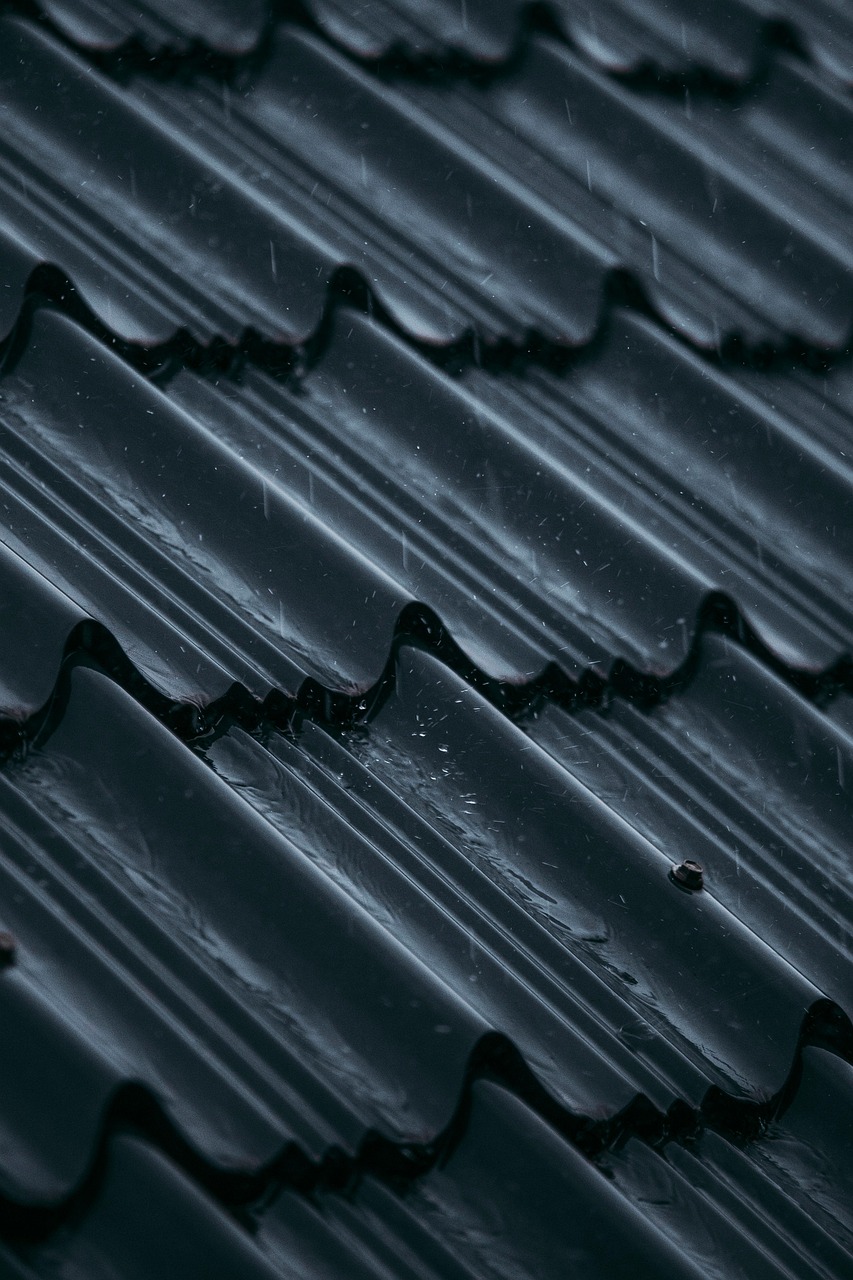
Residential roofing in Tampa is a significant investment, offering not just aesthetic appeal but crucial protection against Florida's diverse weather patterns. However, before installing a new roof, homeowners must prepare thoroughly to ensure a seamless, durable, and safe installation. This guide is designed to equip Tampa residents with the knowledge to navigate the pre-installation process, covering legal considerations, choosing suitable materials, understanding local regulations, and managing potential emergencies. By following these steps, you'll ensure your new roof is not just an upgrade but a sound investment in your Tampa home's future.
- Assess Your Tampa Home's Roof Needs
- Prepare for Disruption: Schedule and Communication
- Safety First: Equipment and Professional Help
- Remove the Old Roof: Step-by-Step Guide
- Protect Your Home: Post-Installation Checks and Maintenance
Assess Your Tampa Home's Roof Needs
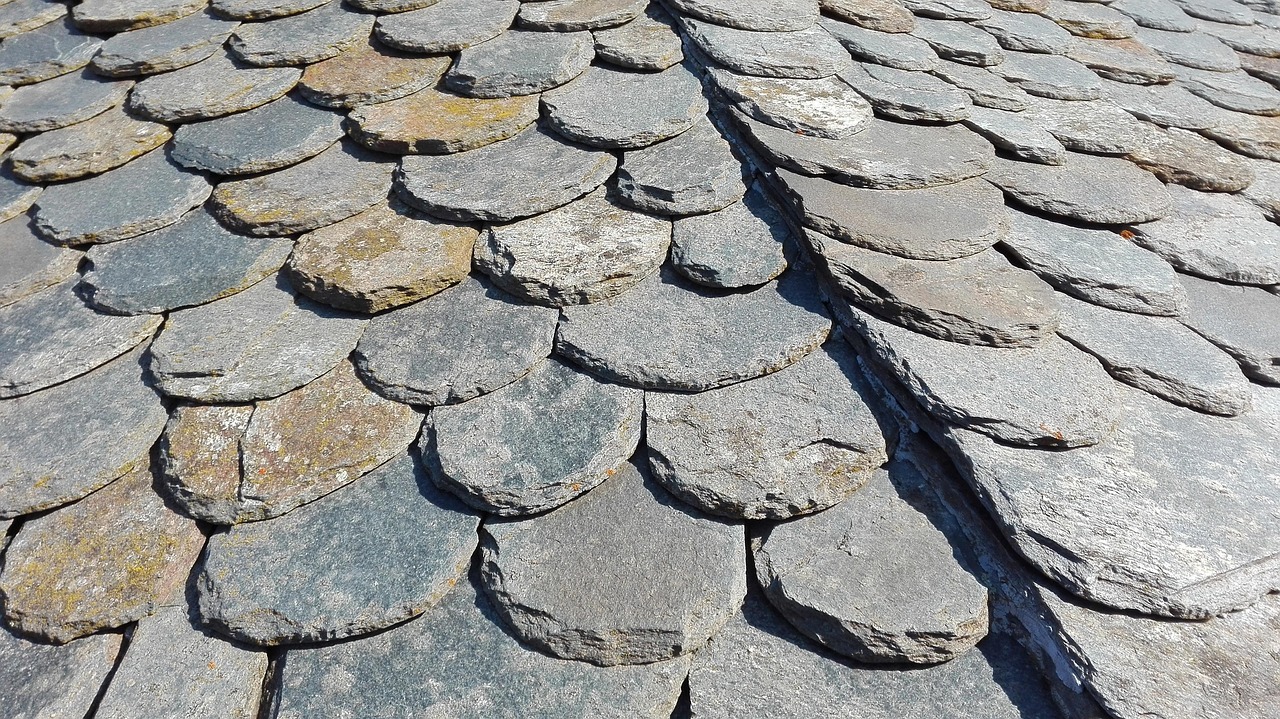
Preparing your Tampa home for a new roof installation starts with a thorough assessment of your current roofing situation. This process is crucial, as it not only helps in identifying the scope of work but also ensures that you're hiring qualified professionals. In Tampa, residential roofing projects vary widely based on the property's age, style, and local weather patterns. Older homes might require roof repairs or replacements due to wear and tear, while newer constructions may need specific materials to meet energy efficiency standards.
Before engaging any contractor, it's essential to understand the regulations in Tampa concerning residential roofing permits. The Tampa Building Department oversees these permits, ensuring that all installations meet safety and building codes. It's crucial to verify if a permit is required for your project to avoid any legal complications. Be wary of fake roofers; Tampa, like many cities, has seen its share of unscrupulous contractors promising low-cost roof replacements. To spot them, check online reviews and verify their licensure through local business directories. Reputable contractors will be licensed, insured, and have positive customer testimonials.
When assessing your roof needs, consider the type of roofing material that aligns with your home's design and your budget. Common choices in Tampa include asphalt shingles, known for their affordability and ease of installation, and metal roofs, which offer durability and a modern aesthetic. Each material has its advantages and requires specific maintenance. Metal roofs need roof flashing to prevent water seepage, while asphalt shingles may require more frequent replacement. Understanding these details ensures a successful and long-lasting installation.
Prepare for Disruption: Schedule and Communication

When preparing your Tampa home for a new roof installation, effective scheduling and communication with local roofing companies near you are paramount. In a city like Tampa, with its unpredictable weather, a strategic approach can significantly impact the process and its cost. Begin by securing a professional roof inspection from a licensed contractor to assess your existing roof's condition and identify any necessary repairs. This step, often overlooked, can prevent future issues and ensure your new roof is installed correctly.
The disruption caused by roof installation can be substantial, so open and consistent communication is key. Tampa roofing companies should provide a clear schedule outlining when work will begin, how long it will take, and what areas of your home will be affected. They might need access to your attic, require storage space for your belongings, or need to coordinate with nearby neighbors. Understanding these details beforehand allows you to prepare your home and schedule around the project.
During this period, it's essential to inform your neighbors and consider their comfort, especially if your property shares a roof or has close proximity to others. A professional roofing company should be willing to provide a detailed plan for minimizing noise, dust, and any other potential disturbances. They should offer a point of contact for any questions or concerns that arise during the process, ensuring a smooth and respectful experience for both you and your Tampa community.
Safety First: Equipment and Professional Help
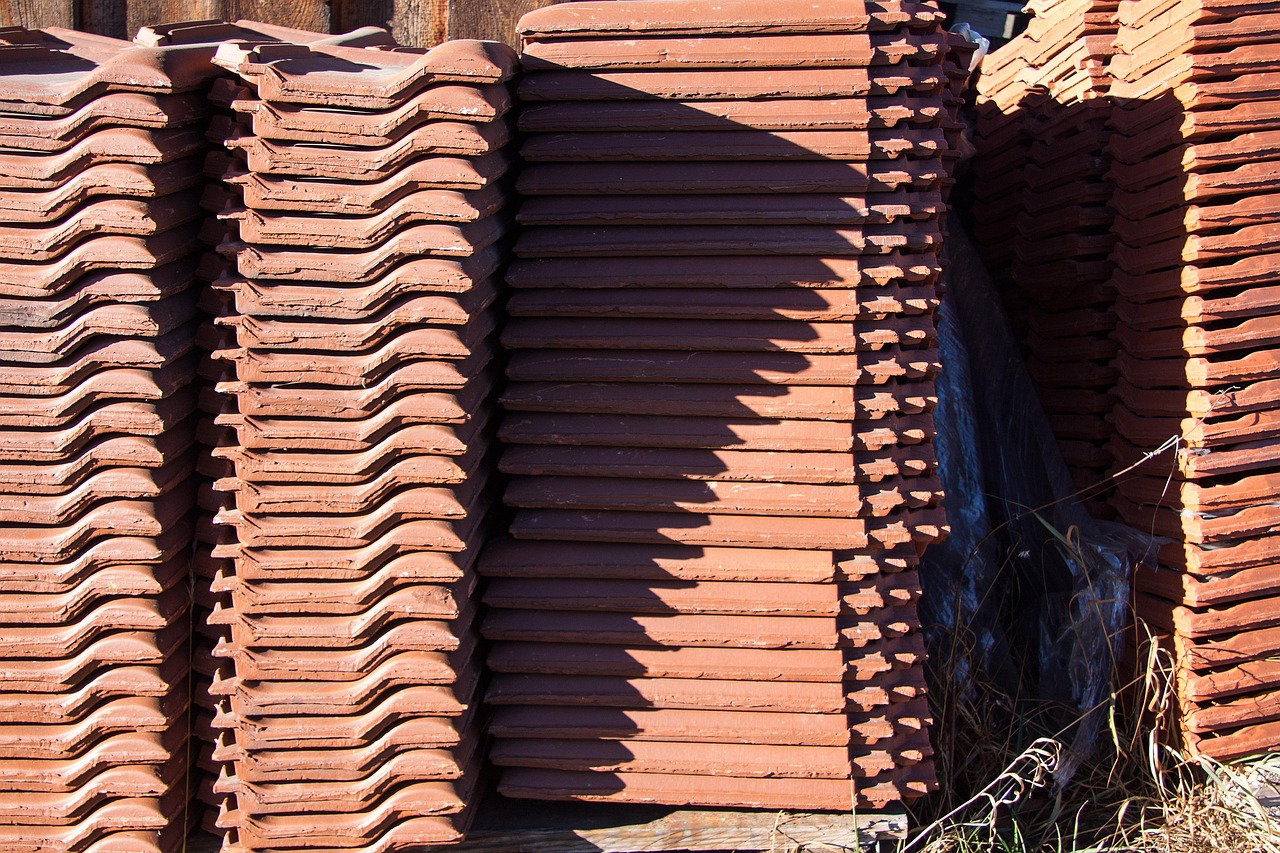
When preparing your Tampa home for a new roof installation, safety should be your top priority. The process involves handling hazardous materials and working at heights, which necessitates proper equipment and the expertise of certified roofing experts Tampa. Never attempt a roof repair or replacement without the necessary safety gear, as it can lead to serious injuries or even fatalities.
Hiring experienced roofers in Tampa, like those you might find through a roofing cost estimator Tampa service, is crucial for several reasons. First, they have the training and know-how to handle different roofing materials-from metal roofs to asphalt shingles-safely and efficiently. Second, professional roofing services are up-to-date with local building regulations, ensuring your new roof complies with Tampa Building Department standards. A certified expert can help navigate the requirements for specific roofing types, like flat roofs, which may have unique safety and installation considerations.
Before the installation begins, make sure your home is equipped with the right safety measures. This includes installing a secure, stable work platform for the roofers to work from, as well as proper safety harnesses and ropes. Clear the area around the work site to minimize trip hazards and ensure easy access for emergency services. By prioritizing safety and enlisting the help of certified professionals, you're not just protecting your property but also ensuring a smooth and stress-free roofing project.
Remove the Old Roof: Step-by-Step Guide
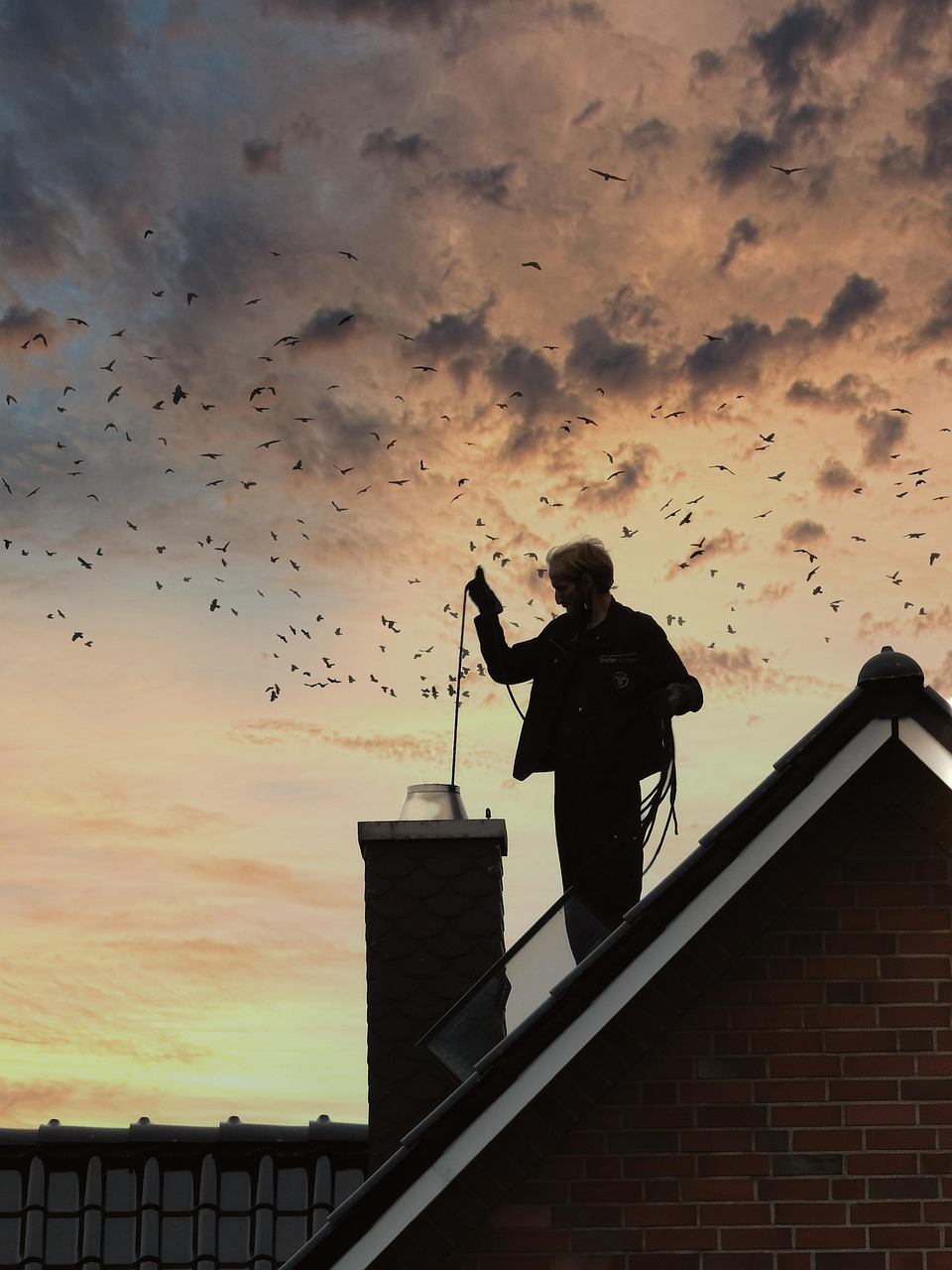
Removing the old roof is a critical step in preparing your Tampa home for a new installation, and it requires careful planning and execution. As you consider this task, keep in mind that a top-rated residential roofing Tampa service, like the best Tampa roofer you can find, will have specific guidelines and safety protocols to ensure the job is done right. Here's a step-by-step guide to help you prepare:
First, assess the condition of the existing roof. Check for signs of damage, such as missing or loose shingles, leaks, or mold growth. If the roof is severely deteriorated, it might be more cost-effective to remove it entirely rather than repairing it. This decision is crucial, as it will impact your budget and the timeline for your new roof. If you're considering affordable residential roofing Tampa, removal may be necessary to lay down a new, energy-efficient system, such as metal roofing, which offers longer-term savings.
Next, gather the necessary tools and materials, including safety gear like hard hats, safety ropes, and protective clothing. Ensure you have a reliable ladder or scaffolding system to access the roof safely. Once you're prepared, begin the removal process. Start by stripping off the top layer, carefully removing each shingle or tile, and setting them aside for disposal or recycling. After the shingles are removed, inspect the underlayment for damage or debris. Clean and repair it as needed, as a solid underlayment is essential for protecting your home from the elements. If you're transitioning to a flat roof, you may need to install a new, suitable underlayment to meet local building codes.
Throughout the removal process, stay vigilant about safety. Work in pairs if possible, and maintain a clear line of communication. Remove all debris from the roof and surrounding areas to ensure a clear work zone. Remember, a top-rated roofing contractor Tampa will prioritize your safety, so be sure to follow their guidance and instructions. Once the old roof is completely removed, you're one step closer to installing a new, durable system that will protect your Tampa home for years to come.
Protect Your Home: Post-Installation Checks and Maintenance
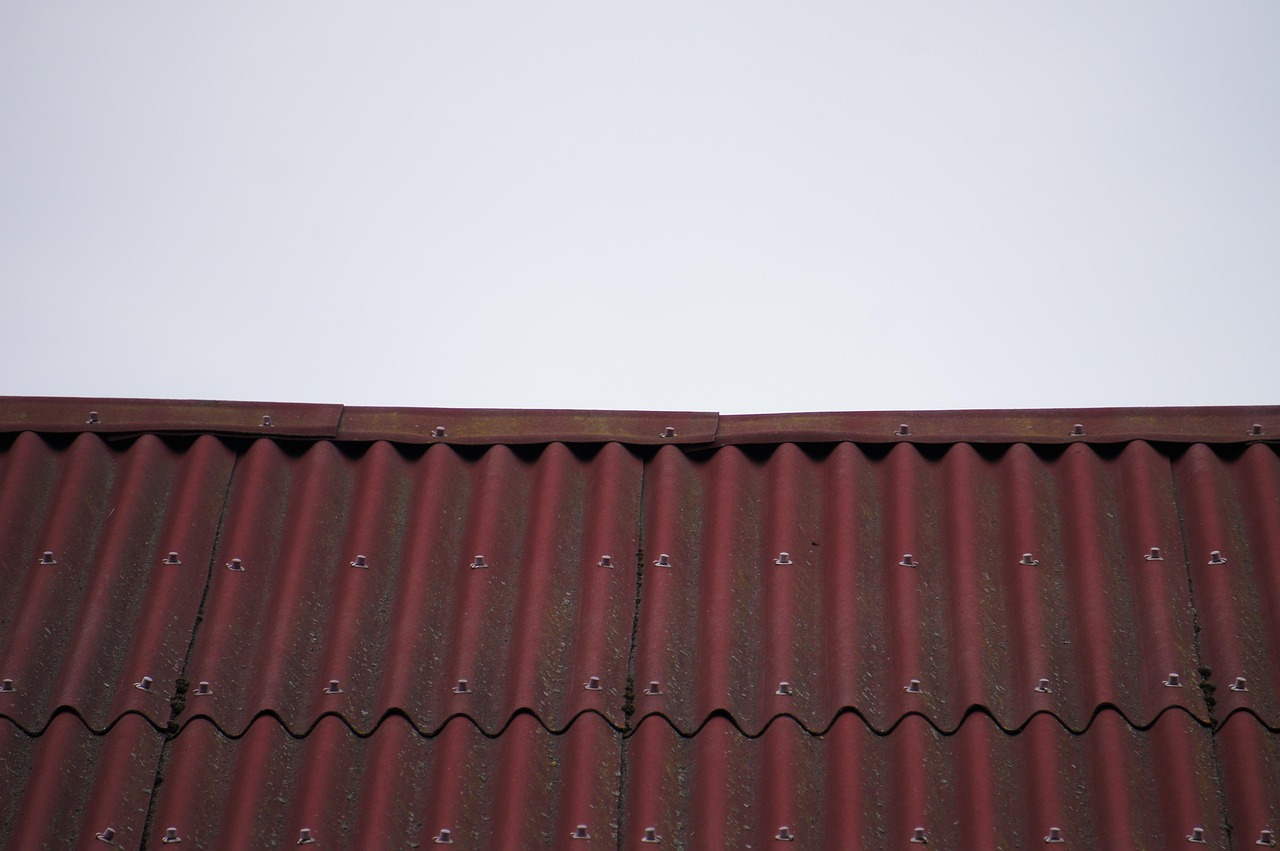
After a new roof installation, the work isn't always complete. To ensure your Tampa home's new roof lasts, protect your investment with thorough post-installation checks and ongoing maintenance. Experienced roofers in Tampa recommend inspecting your roof for any signs of damage or leaks immediately after installation. This includes checking the roof flashing around chimneys and vents, as well as examining the gutters and downspouts for clogs or damage.
Regular maintenance is crucial, too. Once a year, consider hiring a professional roofing cost estimator in Tampa to assess your roof's condition. They can identify weak spots, recommend repairs, and provide insights into potential future replacements. Basic maintenance tasks you can do yourself include clearing debris from gutters and downspouts, re-sealing any exposed wood, and inspecting the roof for loose or missing shingles. Regular cleaning and inspection can prevent costly repairs and prolong the life of your roof.
Protect your Tampa roof from damage by being proactive. During severe weather, such as storms or high winds, take precautions like securing loose objects around your property and ensuring your roof is properly fastened. Consider investing in impact-resistant roofing materials, which can better withstand harsh weather conditions. By following these steps, you'll ensure your new residential roofing Tampa installation remains in top condition for years to come.
Frequently Asked Questions About How to Prepare Your Tampa Home for a New Roof Installation
What does "preparation" entail for a new roof installation?
Roof installation is a significant undertaking that requires careful preparation to ensure a smooth process and a long-lasting roof. This includes assessing your home's suitability for a new roof, clearing the property of debris, and securing any necessary permits. It's also crucial to communicate with your contractor about their specific requirements, which may involve protecting nearby structures from debris and providing access to the work area.
How do I know if my home needs a new roof?
Regular inspection is key. Look for signs like missing or damaged shingles, leaks, mold growth, or a noticeable decrease in energy efficiency. A qualified roofing professional can also assess your roof's condition during an inspection, taking into account factors like age, local weather patterns, and material type.
What permits are needed for a new roof in Tampa?
Permits are required for most roofing projects in Tampa to ensure compliance with building codes and safety regulations. Specific permit types may include a building permit and a mechanical permit, depending on the scope of work. It's best to consult with your local building department or a licensed contractor to determine exactly what permits are needed for your project.
How far in advance should I schedule a new roof installation?
Timing can vary, but it's generally advisable to schedule your roof installation during a period with favorable weather conditions. Contacting a contractor 2 to 3 months in advance allows enough time for permitting, material ordering, and scheduling.
What should I do with my pets during roof installation?
For the safety of both your pets and the installers, ensure they are temporarily secured or removed from the work area during installation. Your contractor may also have specific recommendations based on their work methods.
When preparing your Tampa home for a new residential roofing installation, remember that a well-planned process ensures a successful outcome. From assessing your roof needs and preparing for temporary disruptions to ensuring safety, proper removal of the old roof, and post-installation checks, each step is crucial. By following these guidelines and considering the unique context of Tampa's roofing regulations and local weather patterns, you empower yourself to make informed decisions and collaborate effectively with licensed professionals. This comprehensive approach not only guarantees a durable new roof but also protects your investment and the safety of your home.
Residential Roofing Tampa: A Practical guide to Preparation and Post-Installation Care
Prepare your Tampa home for a new roof by:
1. Assessment: Evaluate your property's age, style, and weather patterns to determine needs.
2. Permits: Understand Tampa Building Department regulations and secure necessary permits.
3. Material Choice: Select suitable roofing materials based on design, budget, and maintenance.
4. Communication: Engage licensed contractors, coordinate schedules, and plan for community impact.
During and after installation:
1. Safety First: Prioritize safety with certified professionals and proper gear.
2. Removal: Remove old roofs carefully, inspect underlayment, and dispose of debris.
3. Post-Installation Checks: Inspect for damage, leaks, and clogs; schedule annual professional assessments.
4. Maintenance: Proactively protect your roof from weather damage and debris by clearing gutters and inspecting for issues.