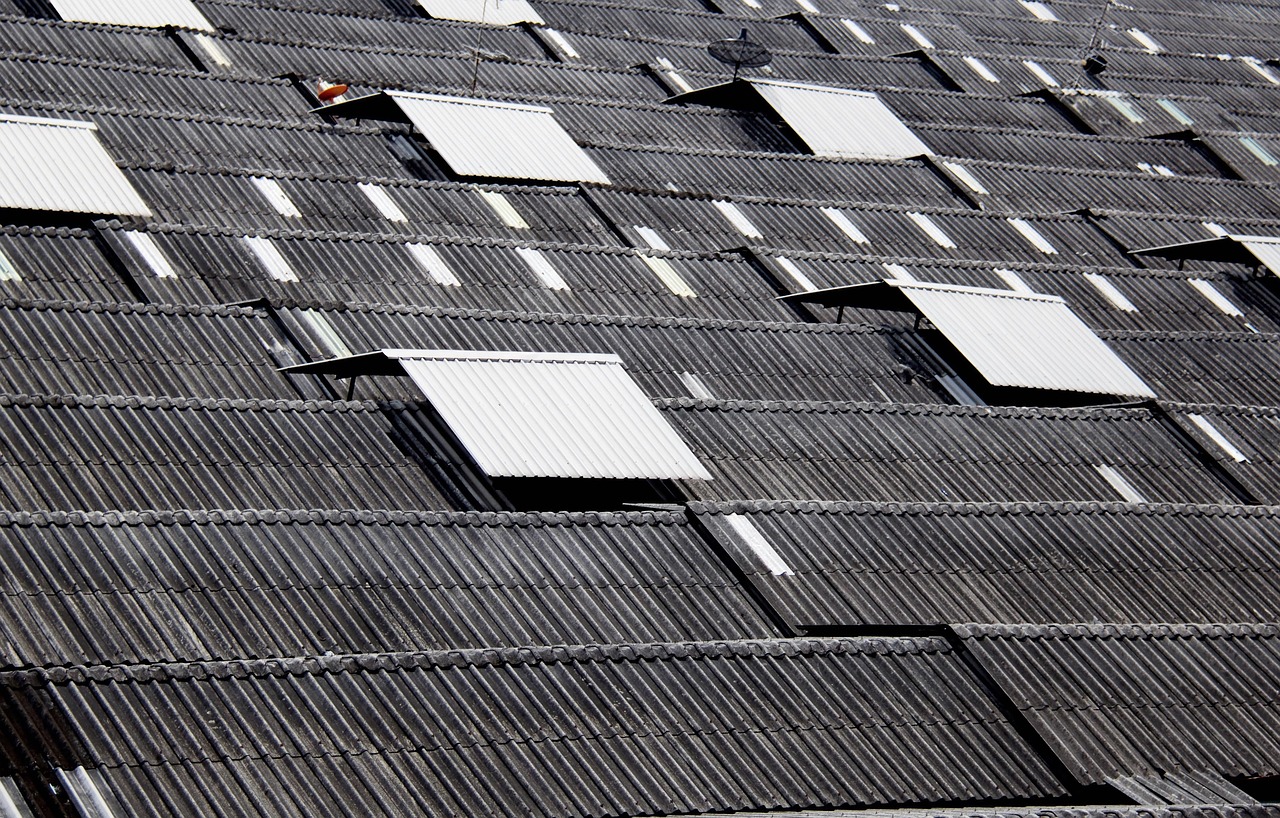
In Tampa, a new roof is more than just a home improvement; it's a crucial investment in your property's longevity and energy efficiency. However, installing a new roof can be a complex process, involving various roofing types, materials, legal considerations, and regulatory compliance. Homeowners often face challenges navigating the market, understanding regulations, and ensuring the work is done right. This step-by-step guide aims to empower Tampa residents with the knowledge they need to successfully install a new roof, from hiring licensed contractors to choosing the right materials, ensuring a safe, durable, and energy-efficient home.
- Prepare Your Tampa Home for a New Roof
- Choose the Right Residential Roofing Materials
- Step-by-Step: Install Your New Roof
- Ensuring Proper Flashing and Ventilation for Longevity
- Final Inspection: Safety and Quality Assurance in Residential Roofing Tampa
Prepare Your Tampa Home for a New Roof
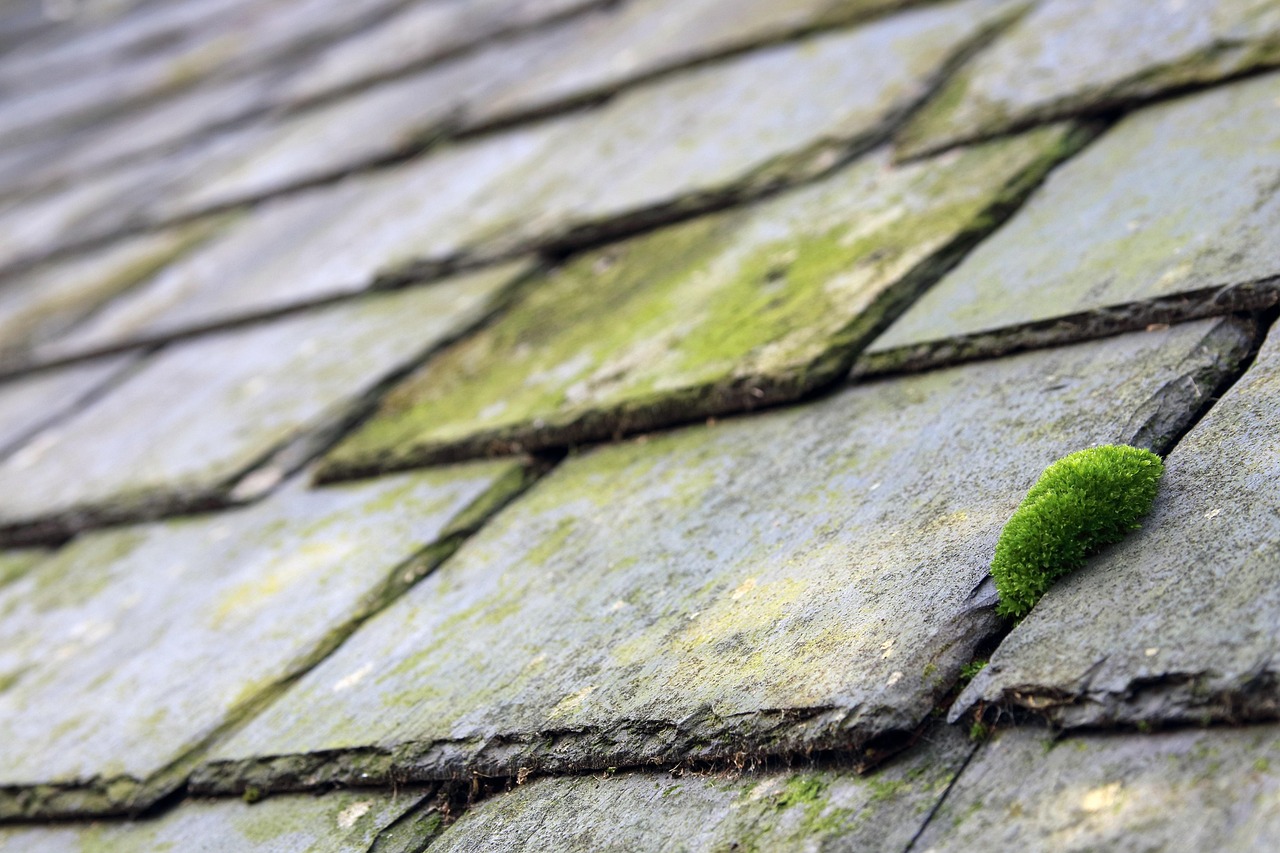
Before your certified roofing experts Tampa begin installing your new roof, there are crucial steps to ensure a successful project. Preparation is key to a durable, long-lasting roof and a smooth experience for both you and your family. Start by assessing your home's current condition. Check for any signs of damage, such as missing or damaged shingles, leaks, or mold growth, which may require immediate attention before construction begins.
Next, consider the type of roof that best suits your Tampa home. The region's climate influences material choices. Reflective roofing materials can help combat the intense Florida sun, reducing cooling costs. Consult with a roofing contractor who can guide you through the best options, taking into account your budget, home style, and energy efficiency goals.
Safety is paramount. To spot fake roofers Tampa, verify their licenses and insurance through the Tampa Building Department. Check online reviews and local business directories for reputable contractors. Customer testimonials offer valuable insights into a company's professionalism and workmanship. This due diligence protects you from potential scams and ensures your investment is in capable hands.
Plan for the installation process. Clear your property of any obstructions and ensure access for heavy materials and equipment. Inform neighbors about the project timeline to avoid any disruptions. By following these steps, you'll set the stage for a successful new roof installation, ensuring your Tampa home is protected for years to come.
Choose the Right Residential Roofing Materials
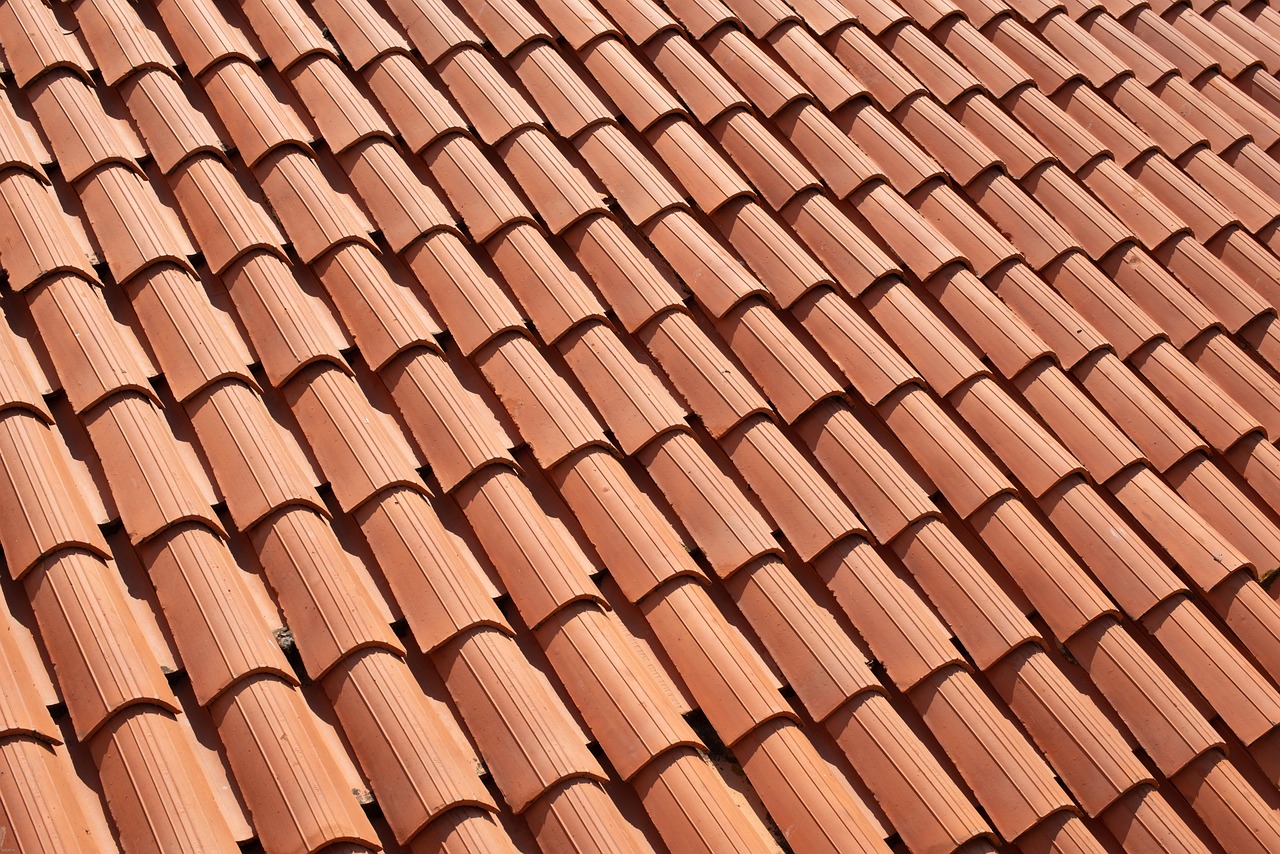
Choosing the right residential roofing materials is a critical step in any roof replacement or new construction project in Tampa, Florida. The right choice can enhance your home's curb appeal, improve energy efficiency, and ensure a durable, long-lasting roof. When considering materials, start by evaluating your region's climate and weather patterns, as this will heavily influence your decision. In Tampa's humid subtropical climate, materials that offer superior water resistance and reflectivity against intense sunlight can significantly extend the life of your roof.
Asphalt shingles are a popular choice among Tampa homeowners due to their affordability and ease of installation. They are also highly versatile, available in various styles, colors, and textures to suit different architectural designs. However, it's essential to opt for high-quality shingles that meet industry standards, such as those rated for wind resistance, to ensure optimal performance. Consider the underlayment, which provides a secondary layer of protection against moisture and temperature extremes.
On the other hand, metal roofing offers a more premium option, known for its durability, low maintenance, and energy-efficient properties. Metal roofs can withstand extreme weather conditions, including strong winds and heavy rainfall, common in Tampa's hurricane-prone areas. They also reflect heat, reducing cooling costs. However, metal roofing is typically more expensive and requires specialized installation, which is why hiring a reputable roofing contractor in Tampa, FL, is crucial. Reading reviews for Tampa roofers and following a thorough hiring checklist can help ensure you work with a licensed, experienced professional who understands local regulations, such as those enforced by the Tampa Building Department and relevant Homeowners Associations.
Step-by-Step: Install Your New Roof
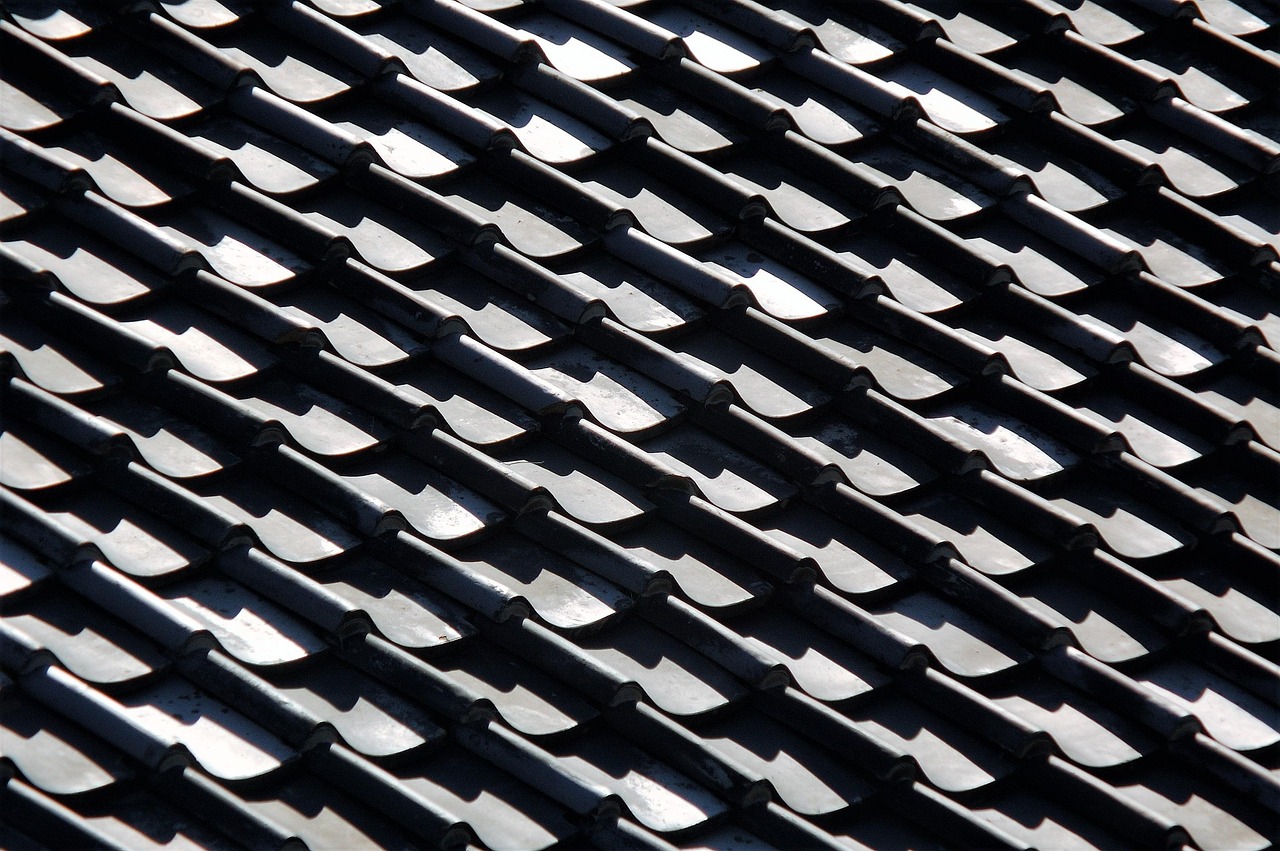
When installing a new roof in Tampa, a step-by-step approach ensures a successful and durable outcome. First, select a roofing material suited to Tampa's climate and your budget. Metal roofs, for instance, offer superior wind resistance and longevity, while asphalt shingles are a cost-effective and popular choice. Consider energy-efficient options like cool roofs, which reflect sunlight, reducing cooling costs.
Next, hire a reputable roofer. Start by reading reviews for Tampa roofers on trusted online platforms. Look for professionals licensed by the Florida Roofing Contractors Association and with a proven track record in your area. Compare estimates from multiple contractors to ensure a low-cost roof replacement Tampa without sacrificing quality. Commercial versus residential roofing projects differ significantly in scope and materials, so choose a contractor experienced in your specific need.
The installation process involves several key steps. Begin by removing the old roofing materials, ensuring the underlayment is in good condition. Then, install roof flashing around the perimeter and at all penetrations to seal against leaks. Place the new roofing material, securing it with nails or screws according to the manufacturer's instructions. Make sure to leave adequate valleys and ensure proper ventilation for a well-functioning roof. Finally, inspect the completed work for any potential issues and schedule regular maintenance to ensure your Tampa residential roofing investment lasts.
Ensuring Proper Flashing and Ventilation for Longevity
When installing a new roof in Tampa, proper flashing and ventilation are crucial for longevity and protection against storm damage. Flashing, a thin layer of weatherproof material, is often overlooked but serves as the first line of defense against water intrusion. Ensure it's installed correctly around all roof penetrations, such as chimneys and vents, using the appropriate type and slope recommended by the Tampa Building Department. Aluminum flashing is common in Tampa's climate, offering flexibility and resistance to corrosion.
Ventilation is another critical aspect often underplayed in roofing. Adequate ventilation helps regulate roof temperatures, reduces moisture buildup, and prevents premature wear on materials. A roofing cost estimator in Tampa can help you understand the benefits of proper ventilation in terms of long-term savings. Adequate venting, typically achieved with vents along the roof's ridgeline and in the soffits, allows hot air to escape, keeping the roof under a safe temperature range. This is especially important in Tampa's warm, humid climate, where extreme temperatures can accelerate material degradation.
To ensure your new roof is protected, consider these best practices. First, use high-quality flashing and secure it tightly to prevent leaks. Second, install vents to maintain optimal air flow. Third, consider a reflective roofing underlayment to reflect heat and reduce the roof's temperature. By integrating these steps into the roofing installation process in Tampa, you'll not only extend the life of your new roof but also protect it from storm damage, ensuring your investment is secure. Regular maintenance, including inspecting flashing and venting, can further safeguard your Tampa residential roofing system.
Final Inspection: Safety and Quality Assurance in Residential Roofing Tampa
After the new roof is installed, a final inspection is crucial to ensure the work meets safety standards and the quality expected in residential roofing Tampa. This step goes beyond checking for leaks; it involves a thorough evaluation of the entire roofing system's functionality, durability, and adherence to local building codes. During the inspection, a qualified roofer will examine the roof's structure, flashing, vents, and all components, ensuring they are correctly installed and compatible with the chosen roofing materials.
In commercial vs. Residential roofing Tampa, the focus on safety and quality assurance is paramount. Homeowners may opt for green roofing options, which involve using environmentally friendly materials and design strategies. These choices require specific expertise to ensure they are implemented correctly, enhancing energy efficiency without compromising structural integrity. For any residential roofing project in Tampa, obtaining the necessary permits from the Tampa Building Department is essential. This process ensures the work complies with local regulations and allows building inspectors to verify the work meets the required standards.
The inspector will look for signs of potential issues, such as loose or damaged shingles, improper nailing or fastening, or inadequate sealing. They will also check the condition of the underlayment, ensuring it is in good shape and adequately protecting the roof deck. In the case of a flat roof, the inspection will include a rigorous assessment of the drainage system, ensuring water flows away effectively to prevent leaks and structural damage. Proper roof flashing, which acts as a barrier against water intrusion, is another critical aspect that will be evaluated. By the end of the inspection, homeowners can expect a comprehensive report outlining any findings and recommendations for further action.
Frequently Asked Questions About Step-by-Step Guide to Installing a New Roof in Tampa
What materials are typically used for roofing in Tampa? Roofing materials in Tampa commonly include asphalt shingles, metal roofing, tile, and slate. Asphalt shingles are the most popular choice due to their affordability, ease of installation, and wide range of styles. Metal roofing is also gaining popularity for its durability and low maintenance. Tile and slate roofs offer a more premium look but are more expensive and require specialized installation. The choice depends on personal preference, budget, and the specific climate conditions of the region.
How long does a new roof installation typically take in Tampa? Most new roof installations in Tampa take one to two days, depending on the size and complexity of the project. This includes time for preparation, measuring, material delivery, and actual roofing work. Smaller homes with standard roof lines usually require less time, while larger or more intricate designs may take slightly longer. Weather conditions can also impact the timeline, with installations often taking longer during rainy seasons.
What permits are required for a new roof in Tampa? Before installing a new roof in Tampa, you should check with your local building department to understand the required permits. Typically, a building permit is necessary to ensure the work complies with construction codes. You may also need a permit for specific materials, such as certain types of roofing or flashings. It's essential to obtain these permits before starting the project to avoid any legal issues or delays.
How do I choose a reliable roofing contractor in Tampa? Choosing a reliable roofing contractor involves several steps. First, get recommendations from friends or neighbors who have recently had roof work done. Check online reviews on trusted platforms to gauge the contractor's reputation. Next, verify their licensing and insurance coverage. Ensure they are licensed by the state of Florida and have adequate insurance to protect both your property and their workers. You can also check their affiliation with local roofing associations for added assurance.
What should I do if I suspect my roof is damaged during installation? If you suspect your roof is damaged during the installation process, immediately stop the work and contact a professional roofing inspector. They can assess the damage and provide an expert opinion. It's crucial to address any issues promptly to prevent further complications. If the damage is minor, the contractor may be able to repair it. However, significant damage might require a complete re-evaluation of the installation plan and potentially additional costs.
Installing a new roof is a significant investment for any Tampa homeowner. By following these steps, from preparing your home and choosing the right materials to ensuring proper flashing, ventilation, and a final inspection, you can achieve a durable, safe, and aesthetically pleasing residential roofing Tampa solution. The process requires careful planning, skilled contractors, and adherence to local regulations, as outlined by the Tampa Building Department and the Florida Roofing Contractors Association. Remember, a well-installed roof can protect your home from the elements and add value for years to come. Next, consider researching local business directories and online reviews to connect with reputable roofing professionals who can guide you through the entire process.
Preparing for a New Residential Roof in Tampa:
1. Assess Home Condition: Check for damage, like missing shingles or mold, and plan for repairs before construction.
2. Choose Roof Material: Select materials suited to Tampa's climate (e.g., reflective to combat heat) based on budget, style, and energy efficiency goals.
3. Hire Reputable Roofer: Verify licenses and insurance through the Tampa Building Department, check online reviews, and consider customer testimonials.
4. Plan Installation: Clear property of obstructions, inform neighbors about timeline, and follow safety best practices.